

Sushi, a culinary art form that originated in Japan, has captivated food enthusiasts around the globe with its delicate flavors and intricate presentation. In a traditional Japanese restaurant, sushi is not merely a dish; it’s an experience that encompasses the philosophy of harmony between taste, texture, and aesthetic appeal. Whether enjoyed as a simple nigiri topped with fresh fish or as part of an elaborate sushi platter, the variety and complexity of sushi reflect the rich cultural heritage of Japan.
As sushi continues to gain popularity outside of Japan, many restaurants strive to offer an authentic experience that honors this time-honored tradition. From the freshness of the ingredients to the skill of the sushi chef, every element plays a crucial role in creating a memorable dining experience. This article will explore the nuances of sushi in Japanese restaurants, delving into its history, preparation techniques, and the vibrant dining culture that surrounds it.
The Art of Sushi Preparation
The process of sushi making is a meticulous art that requires years of training and dedication. Sushi chefs, known as itamae, master various techniques, from selecting the freshest seafood to expertly crafting rice seasoned with vinegar, sugar, and salt. This foundational element is crucial, as the perfect sushi rice balances flavor and texture, serving as the canvas for the sushi’s toppings. Each piece is crafted with care, showcasing the chef’s skill in cutting fish to the right thickness and creating a harmonious blend of flavors that delight the palate. Diners at a traditional Japanese restaurant often have the opportunity to witness this artistry firsthand, enhancing their appreciation of the culinary expertise involved.
The Cultural Significance of Sushi
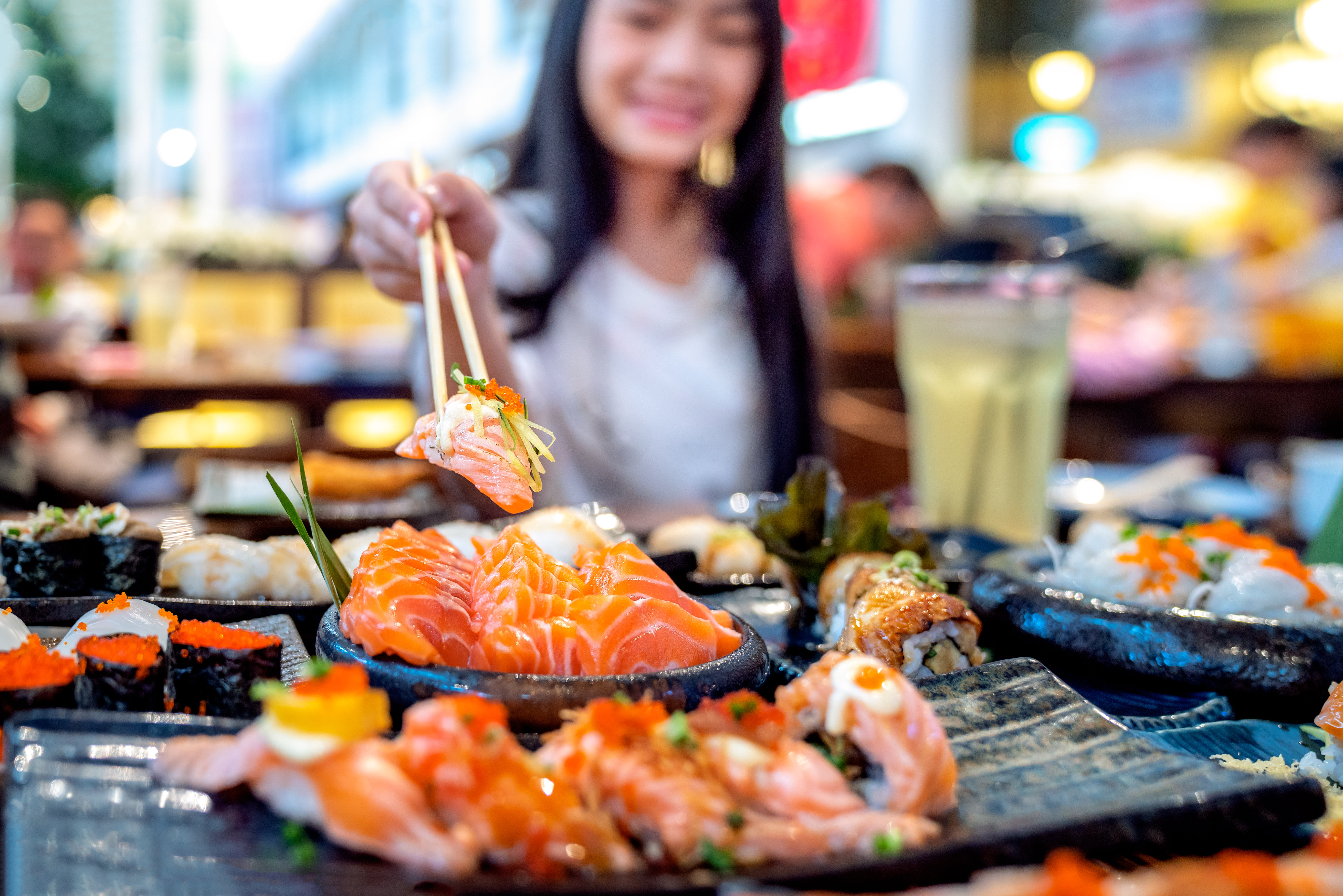
Engaging with sushi goes beyond mere consumption; it’s an immersive cultural experience. Dining at a Japanese eatery can offer a glimpse into the deep-rooted customs associated with sushi. For instance, the etiquette of sushi consumption, such as serving and eating techniques, is as important as the food itself. Additionally, many patrons seek out Sushi in Japanese Restaurant experiences that emphasize the significance of presentation, where each dish is an artful display meant to evoke a sense of seasonal beauty and craftsmanship. This thoughtful approach not only highlights the importance of quality ingredients but also reflects the Japanese philosophy of respecting nature and celebrating simplicity in culinary art.
In conclusion, sushi in Japanese restaurants transcends being just a meal; it is a celebration of artistry, tradition, and cultural respect. The careful selection of ingredients, the precision of preparation, and the reverence for seasonality all intertwine to create an unforgettable dining experience that reflects Japan’s rich heritage. As diners engage with the various forms of sushi, they partake in a ritual that honors both the chef’s skill and the inherent beauty of the ingredients. This intricate relationship between food and culture invites individuals to not only savor the flavors but also appreciate the meticulous craft and philosophy that has shaped sushi into a global phenomenon. Whether it’s a casual meal or a formal dining occasion, sushi continues to be a symbol of culinary excellence that bridges divides and brings people together in a shared appreciation for this exquisite tradition.