

Dental crowns are an essential component of modern dentistry, offering a versatile solution for a variety of dental issues. Whether it’s to restore a damaged tooth, support a dental bridge, or enhance the aesthetic appearance of a smile, crowns provide both functionality and beauty. Made from materials ranging from porcelain to metal, they can be customized to fit seamlessly with a patient’s natural teeth, ensuring a comfortable and durable solution that stands the test of time.
As advancements in dental technology continue to evolve, the process of receiving a crown has become more efficient and patient-friendly. From initial consultations to the final fitting, understanding the purpose, types, and care of dental crowns is crucial for anyone considering this dental treatment. This article delves into the many facets of dental crowns, highlighting their importance in oral health and the factors to consider when opting for this restorative procedure.
Types of Dental Crowns
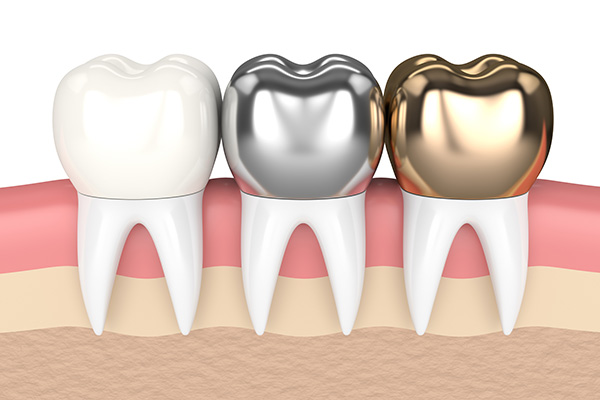
Dental crowns come in various materials, each offering distinct advantages depending on the patient’s specific needs. Porcelain crowns, known for their aesthetic appeal, closely mimic the translucence of natural teeth, making them ideal for front teeth restorations. Meanwhile, metal crowns, often made from gold or other alloys, are favored for their strength and durability, particularly for molars that endure heavy chewing forces. Additionally, porcelain-fused-to-metal crowns combine the best of both worlds, providing a robust base with an attractive exterior, making them suitable for visible teeth without compromising on strength. Patients exploring options can find suitable solutions by consulting with professionals, such as those found at Dental Crowns Rockville Near Me.
Caring for Dental Crowns
Proper care and maintenance of dental crowns are essential to ensure their longevity and functionality. Patients are encouraged to practice good oral hygiene, which includes regular brushing, flossing, and routine dental check-ups. It’s also advisable to avoid habits that could damage crowns, such as chewing on hard objects or using teeth as tools. Regular visits to a dentist will not only help monitor the condition of the crowns but also ensure any potential issues are addressed promptly, maintaining both the health of the crown and the surrounding teeth.
In conclusion, dental crowns play a pivotal role in preserving oral health, enhancing functionality, and improving the aesthetic appeal of smiles. By understanding the various types available and committing to proper care, patients can enjoy the benefits of their crowns for many years. The advancements in dental technology have made the process of receiving crowns more accessible and tailored to individual needs, allowing for a blend of durability and beauty that meets the demands of daily life. Whether for restorative purposes or cosmetic enhancement, investing in dental crowns is a proactive step towards maintaining a healthy and confident smile, underscoring the importance of consulting with dental professionals to make informed decisions about one’s oral care.