
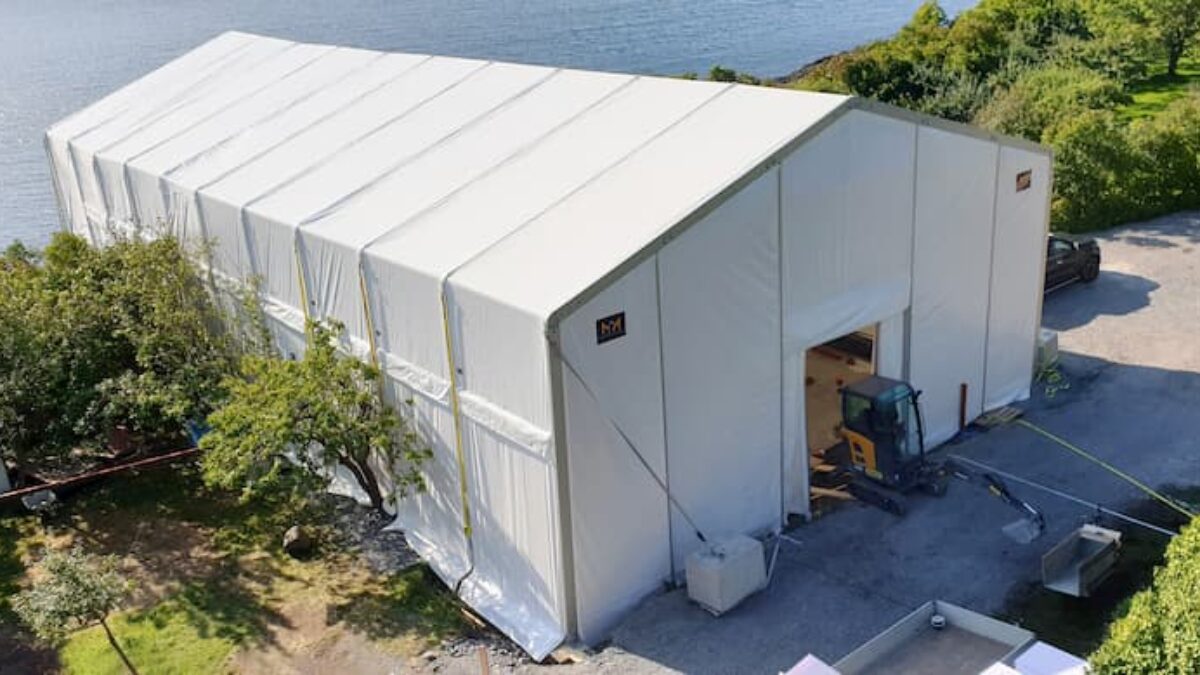
In an era where sustainable living and disaster preparedness are becoming increasingly critical, the concept of manufacturing shelter has emerged as a vital solution for addressing housing challenges. This innovative approach encompasses the design and production of structures that not only offer protection but also utilize eco-friendly materials and technologies. By harnessing advanced manufacturing techniques, such as 3D printing and modular construction, the potential to create affordable, durable, and customizable shelters is rapidly becoming a reality.
The need for effective shelter solutions is underscored by the growing impacts of climate change, urbanization, and geopolitical conflicts, which have displaced millions worldwide. This article explores the various methods and materials used in manufacturing shelters, showcasing the intersection of technology, architecture, and sustainability. We will delve into case studies that highlight successful implementations, the challenges faced in this field, and the innovative minds working towards transforming the way we conceive and construct living spaces for all.
Innovative Materials and Techniques
The exploration of advanced materials and construction techniques is reshaping the landscape of shelter manufacturing. Methods like 3D printing not only reduce waste but also allow for rapid prototyping and customization of shelter designs. Eco-friendly materials, such as bamboo and recycled plastics, are gaining popularity due to their sustainability and lower environmental impact. The collaboration of technology and architecture is evident in projects that incorporate energy-efficient systems and renewable energy sources. For example, the IMMEX Program in Mexico demonstrates how innovative manufacturing practices can streamline housing solutions while supporting local economies.

Challenges and Opportunities
Despite the promising advancements in shelter manufacturing, challenges persist, including regulatory hurdles, funding constraints, and the need for skilled labor. Navigating these obstacles requires collaboration between governments, private sectors, and non-profit organizations to create frameworks that encourage innovation while ensuring safety and affordability. By addressing these challenges, there is a remarkable opportunity to redefine how communities respond to housing crises, utilizing sustainable practices to create resilient living spaces that can adapt to the evolving demands of society.
As we look toward the future of manufacturing shelter, it is clear that innovation will continue to play a pivotal role in shaping resilient and sustainable living environments. The convergence of technology, eco-friendly materials, and creative design holds the promise of not only addressing immediate housing needs but also rebuilding communities in a manner that respects the planet. The ongoing commitment to collaboration among various stakeholders—governments, private entities, and community organizations—will be essential in overcoming the existing challenges and seizing the opportunities presented by this evolving field. By investing in education and training to cultivate a skilled labor force, and by advocating for policies that support cutting-edge manufacturing practices, we can build a future where everyone has access to safe, sustainable, and dignified shelter. Ultimately, manufacturing shelter stands not just as a solution to housing shortages, but as a beacon of hope for a more equitable and environmentally conscious world.